
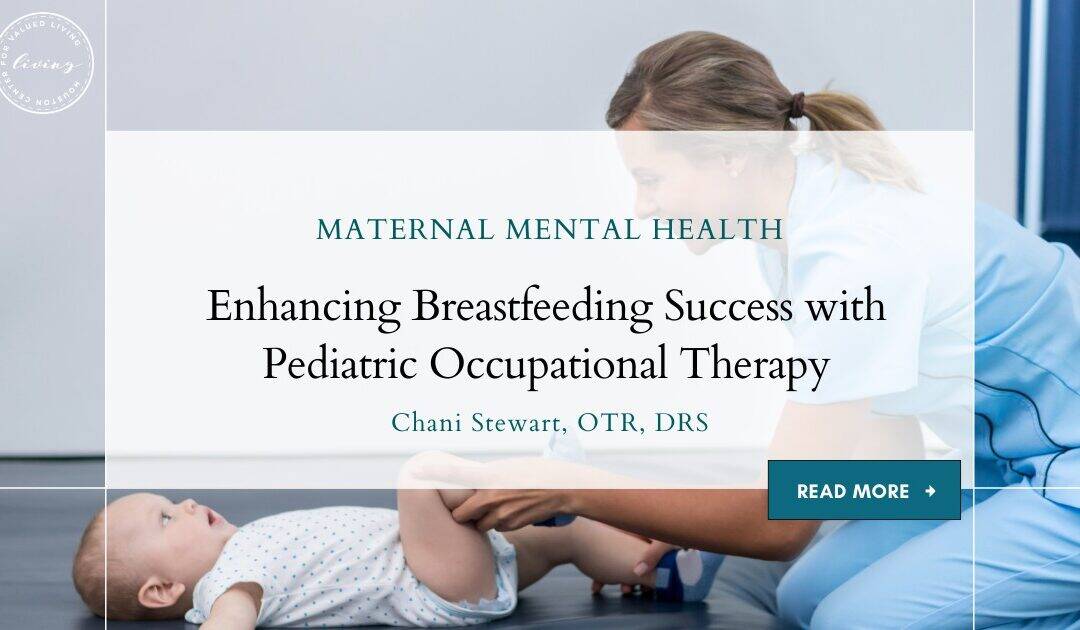
Breastfeeding is a special journey that involves so much more than merely feeding your baby; it helps build a strong bond between you and your child, supporting that loving closeness and connection that parents and babies share. While it’s an immensely rewarding experience and special journey, for many mothers it comes along with its unique set of challenges. Moms often face issues including difficulty with latching, pain, concerns about milk supply, wanting to know how much the baby is eating at each feeding, wondering if s/he is actually gaining weight, and balancing feeding with other responsibilities. Each of these alone, and especially when compiled one onto the next, can lead to stress and fatigue. Seeking assistance through pediatric occupational therapy for breastfeeding can provide valuable support during this time.
How Torticollis and Tongue-Tie Affect Breastfeeding
Challenges such as torticollis (where the baby’s head or neck is tilted) or tongue-tie (where the baby’s tongue can’t move freely) can make breastfeeding even harder, leaving moms feeling overwhelmed, unsupported, and in pain, both physically and emotionally. However, there is help available! Pediatric occupational therapists are skilled in assisting both moms and babies to overcome these hurdles, making the breastfeeding experience smooth, positive, and enjoyable for the dyad. Utilizing pediatric occupational therapy for breastfeeding can significantly improve the experience for both mother and child.

Why Early Intervention Matters
The benefits of breastfeeding are numerous, including boosting the baby’s immune system and strengthening the emotional connection between mom and baby. Nonetheless, conditions such as torticollis or tongue-tie can complicate breastfeeding. Research, like the study by Moore et al. in 2017, highlights the impact of issues such as torticollis on breastfeeding, underscoring the importance of early intervention and a targeted approach.
The reason why torticollis can have such a profound impact on breastfeeding is twofold. Firstly, with neck tightness feeding from one breast usually requires an uncomfortable position for the baby, leading to an ineffective and painful latch on that side. Additionally, tightness in the neck often complements tightness that is found throughout other parts of the body too. Frequently, babies with tongue ties have torticollis, further impacting their oral tightness. They may demonstrate a shallow latch, limited endurance, falling asleep at the breast, and more of a chomping movement with their jaw instead of properly using their tongue to suck. By addressing this tightness in both the neck and body, babies are able to relax, demonstrating effective and painless breastfeeding patterns.
The Role of Pediatric Occupational Therapy
Pediatric occupational therapists play a vital role in identifying the root causes of feeding problems and implementing solutions. They use techniques like gentle stretching and exercises to relieve muscle tightness both in the neck (torticollis) and throughout the entire body. Once the baby breastfeeds without having to navigate such significant tension in his/her little body, latching and feeding both become more effective, time efficient, and painless.
Occupational therapists collaborate with lactation consultants to enhance the baby’s latch and breastfeeding skills, which are crucial for effective nursing. Exercises that decrease muscle tension and address oral coordination and strength can significantly alleviate the difficulties posed to breastfeeding by tongue-ties and torticollis. This mitigation of symptoms is powerful and attainable for mothers and babies with support.

When Surgical Intervention Can Be Avoided
Lalakea and Messner’s (2015) research underscores the benefits of specialized therapeutic and surgical interventions, highlighting that multidisciplinary approaches yield the best outcomes for affected infants and their mothers. Sometimes with occupational therapy, surgical intervention is avoided entirely, enabling mom and baby to enjoy the joys of breastfeeding with comfort, confidence, and ease.
Empowering Moms and Babies
The primary goal of pediatric occupational therapy in this context is to empower mothers and infants to navigate feeding in the most positive and supportive way. By addressing physical barriers and providing tailored support, occupational therapists significantly transform the breastfeeding journey, making it a positive and fulfilling experience for both mother and baby. For moms facing these challenges, seeking support from a pediatric occupational therapist can be a life-changing step toward a healthier, positive, engaged breastfeeding journey.
Practical Takeaways for Parents
- Early Intervention: If you notice any signs of feeding difficulty or discomfort in your baby, seek help from healthcare professionals (lactation consultant, occupational therapist, etc) early. Early intervention can prevent small issues from becoming big problems.
- Collaboration with Specialists: Consider working with both pediatric occupational therapists and lactation consultants. These professionals can provide comprehensive support and guidance.
- Exercises at Home: Ask for exercises you can do at home to support your baby’s feeding skills. Simple techniques like gentle massage or stretching can make a significant difference.
- Regular Check-ups: Regular appointments with your pediatrician can help monitor your baby’s progress and adapt strategies as needed.
- Seek Support: Remember, you’re not alone. Engaging with support groups, whether in person or online, can provide valuable advice, shared experiences, and emotional support.
- Stay Informed: Educate yourself about the benefits and challenges of breastfeeding and stay informed about the resources available to support you on this journey.
References:
– Moore, A. M., McConaha, A. M., & Beshay, S. (2017). Management of Congenital Muscular Torticollis: Clinical Impact of Early Intervention and Non-Surgical Therapy. Journal of Pediatric Therapy.
– Lalakea, M. L., & Messner, A. H. (2015). Ankyloglossia: Does it matter? Pediatric Clinics.
About the Author

Chani Stewart, OTR, DRS is the owner and founder of Rising Roots Therapy PLLC in Bellaire, Texas, and a pediatric occupational therapist specializing in supporting infants, children, and families through challenges related to feeding, sensory processing, motor skills, and overall development. She has extensive experience helping newborns and young children overcome conditions like tongue-tie, torticollis, and oral motor difficulties, empowering families with the tools and strategies they need for success. Instagram: @chanistewartot